
Intro
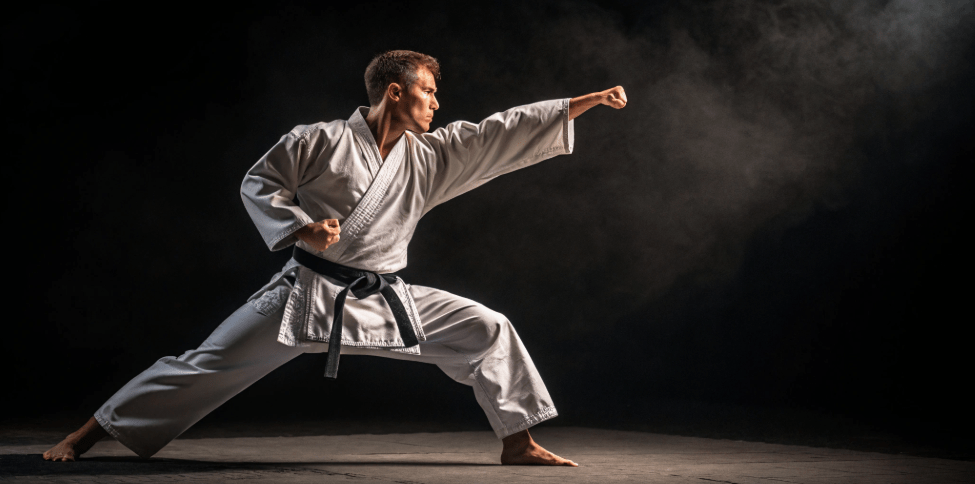
Shaolin Kempo is a martial art that uniquely blends traditional Chinese Shaolin fighting techniques with Japanese martial arts, including Karate, creating a dynamic and practical self-defense system. Originating from the Shaolin Temple in China and evolving through cultural exchanges in Japan and Okinawa, Shaolin Kempo has grown into a versatile martial art practiced worldwide, including across Canada. This blog explores the effectiveness of Shaolin Kempo in modern times, emphasizing the significant influence of Japanese Karate on its development and its relevance for Canadians today.
Historical and Philosophical Foundations with Karate Influence
Shaolin Kempo’s roots lie in the ancient Shaolin Temple, where Buddhist monks developed martial techniques for self-defense and spiritual growth. As these techniques traveled to Japan, they fused with indigenous fighting styles, including Karate, which originated in Okinawa but was heavily influenced by Chinese martial arts. Karate’s disciplined approach, powerful strikes, and kata (forms) training became integral to the evolution of Kempo in Japan.
In particular, Japanese Karate contributed structured striking techniques, rigorous training methods, and a philosophical emphasis on discipline and respect, which enriched Shaolin Kempo’s curriculum. This fusion created a martial art that balances the fluidity and animal-inspired movements of Shaolin Kung Fu with the linear, powerful strikes of Karate. For Canadians, this blend offers a martial art that is both deeply traditional and highly practical, appealing to those interested in effective self-defense and personal development.
Practical Self-Defense in Modern Contexts
Shaolin Kempo’s effectiveness today owes much to its Karate influence, especially in its striking techniques and disciplined training regimen. Karate’s emphasis on precise punches, kicks, and blocks enhances Kempo’s ability to deliver quick, powerful responses in self-defense situations. Combined with Shaolin Kempo’s grappling, throwing, and joint-locking techniques, practitioners gain a comprehensive skill set adaptable to various real-life threats.
In Canadian urban settings, where personal safety is a concern, Shaolin Kempo’s Karate-derived striking techniques provide a reliable means to neutralize threats quickly. The art’s “Four Ways of Fighting”—striking, kicking, felling, and grappling—reflect Karate’s influence in striking and kicking, while also incorporating Chinese and Japanese grappling arts for a well-rounded defense system. This makes Shaolin Kempo particularly effective for Canadians seeking practical and versatile self-defense skills.
Health and Wellness Benefits Enhanced by Karate Training
Karate’s structured training methods contribute significantly to the physical and mental benefits of Shaolin Kempo. The repetitive practice of kata and kihon (basic techniques) in Karate improves muscle memory, coordination, and cardiovascular health. This rigorous training enhances stamina, flexibility, and overall fitness, which are vital for maintaining health in modern Canadian lifestyles.
Moreover, Karate’s mental discipline—focusing on respect, perseverance, and mindfulness—complements Shaolin Kempo’s spiritual and meditative practices. This combination supports emotional resilience and stress reduction, addressing the holistic wellness needs of Canadians. The integration of Karate’s principles helps practitioners build mental clarity and self-confidence alongside physical conditioning.
Community and Cultural Relevance in Canada
Shaolin Kempo’s blend of Chinese and Japanese martial arts, especially Karate, resonates well within Canada’s multicultural society. Many Canadian dojos emphasize inclusivity, respect, and continuous learning, values deeply embedded in Karate’s philosophy. The Karate influence also brings a structured curriculum and ranking system that appeals to practitioners seeking clear progression and achievement.
Canadian instructors often adapt Shaolin Kempo training to meet contemporary needs, incorporating Karate’s disciplined approach alongside modern self-defense scenarios. This adaptability ensures the martial art remains relevant and effective for Canadians navigating the challenges of urban life, while fostering a strong sense of community and cultural appreciation.
Innovations and Modern Training Approaches with Karate Integration
Shaolin Kempo continues to evolve by integrating biomechanical principles and practical self-defense strategies, many of which are influenced by Karate’s emphasis on efficient movement and power generation. The incorporation of Karate’s kata forms and striking drills enhances practitioners’ technical precision and timing.
In Canada, some schools blend Shaolin Kempo with other martial arts like Wing Chun or Jeet Kune Do, but Karate remains a foundational influence, especially in the striking and conditioning aspects. This openness to cross-training reflects the Canadian martial arts community’s focus on effectiveness and adaptability, ensuring Shaolin Kempo remains a dynamic and practical system.
Conclusion: The Enduring Effectiveness of Shaolin Kempo and Karate’s Role in Canada
Shaolin Kempo’s effectiveness in modern times is deeply connected to its fusion with Japanese Karate. This integration provides Canadians with a martial art that combines the fluid, animal-inspired techniques of Shaolin Kung Fu with the disciplined, powerful striking and training methods of Karate. The result is a comprehensive system for self-defense, physical fitness, mental discipline, and community engagement.
For Canadians seeking a martial art that promotes personal safety, health, and holistic growth, Shaolin Kempo—with its strong Karate influence—offers a versatile and time-tested path. Its adaptability, cultural richness, and practical techniques make it a valuable and enduring practice within Canada’s diverse martial arts landscape.
Source: Urban Edge Martial Arts
 Best Martial Arts Classes In North York
Leave a Reply