
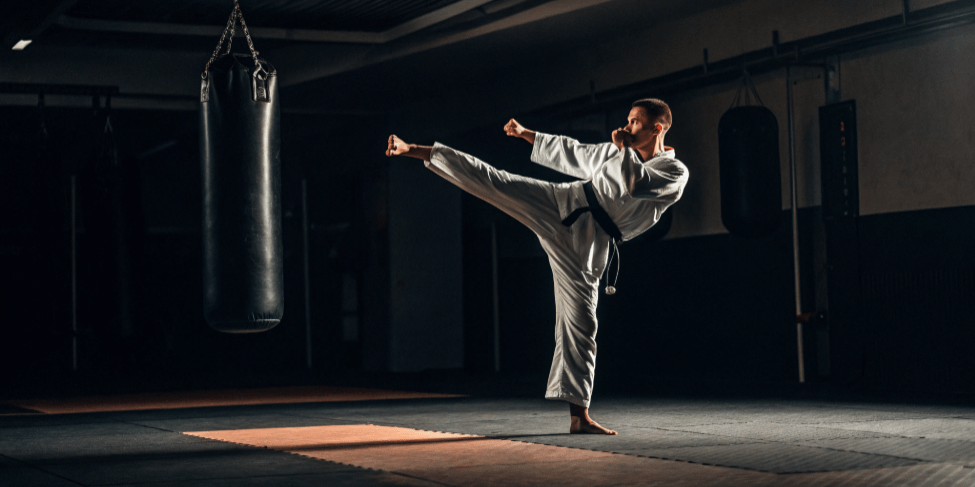
When it comes to choosing a martial art, effectiveness is often the top priority—especially for those seeking practical self-defense skills. With countless styles available, each offering unique techniques and philosophies, ranking the most effective martial arts can be challenging. However, by considering criteria such as real-world applicability, versatility, physical and mental benefits, and adaptability to various situations, we can identify the top five martial arts that stand out for their effectiveness in self-defense and overall combat proficiency.
Criteria for Ranking the Most Effective Martial Arts
To create a meaningful ranking, the following criteria are considered:
- Practical Self-Defense Application: How well the martial art prepares practitioners to handle real-life threats, including strikes, grappling, and weapon defense.
- Versatility: The range of techniques covered, such as striking, kicking, joint locks, throws, and ground fighting.
- Adaptability: The ability to adjust techniques fluidly in dynamic situations and against various opponent types.
- Physical and Mental Benefits: Improvements in fitness, reflexes, confidence, and discipline.
- Popularity and Cross-Training Compatibility: How well the martial art integrates with other styles and its relevance in modern combat sports.
1. Kenpo Karate (Kempo Karate)
Kenpo Karate, also known as Kempo, is a unique hybrid martial art that blends the hard, linear strikes of Okinawan Karate with the fluid, circular movements of Kung Fu. Originating from the ancient Shaolin Temple in China around the 5th century AD, it integrates Shaolin boxing, Jujitsu, Karate, and the secret art of Chin Na (joint locking). Inspired by the movements of five animals—Tiger, Leopard, Dragon, Crane, and Snake—Kenpo Karate offers a comprehensive system of striking, kicking, throwing, and grappling techniques.
Why Kenpo Karate is highly effective:
- Rapid, powerful strikes targeting vital areas allow practitioners to neutralize threats quickly.
- Fluid motion and adaptability enable seamless transitions between offensive and defensive techniques.
- Close-range combat proficiency with joint locks and throws enhances control over opponents.
- Physical benefits include improved cardiovascular health, strength, flexibility, and reflexes.
- Mental benefits such as discipline, confidence, and situational awareness prepare practitioners for unpredictable encounters.
Kenpo’s blend of hard and soft techniques makes it suitable for all ages and fitness levels, and its adaptability means it complements other martial arts well, making it a top choice for practical self-defense.
2. Muay Thai
Muay Thai, often called the “Art of Eight Limbs,” is renowned for its dynamic striking techniques using fists, elbows, knees, and shins. Originating from Thailand, it is one of the most effective martial arts for close-quarters combat and self-defense.
Key reasons for Muay Thai’s effectiveness:
- Powerful strikes that engage multiple limbs provide a versatile and devastating arsenal.
- Clinch work allows practitioners to control opponents in tight spaces, making it ideal for street defense.
- Adaptability to confined environments such as alleys or crowded places where space is limited.
- Training enhances reflexes, balance, and mental toughness, crucial for real-life confrontations.
Muay Thai’s emphasis on practical, hard-hitting techniques makes it a favorite among fighters and self-defense enthusiasts alike.
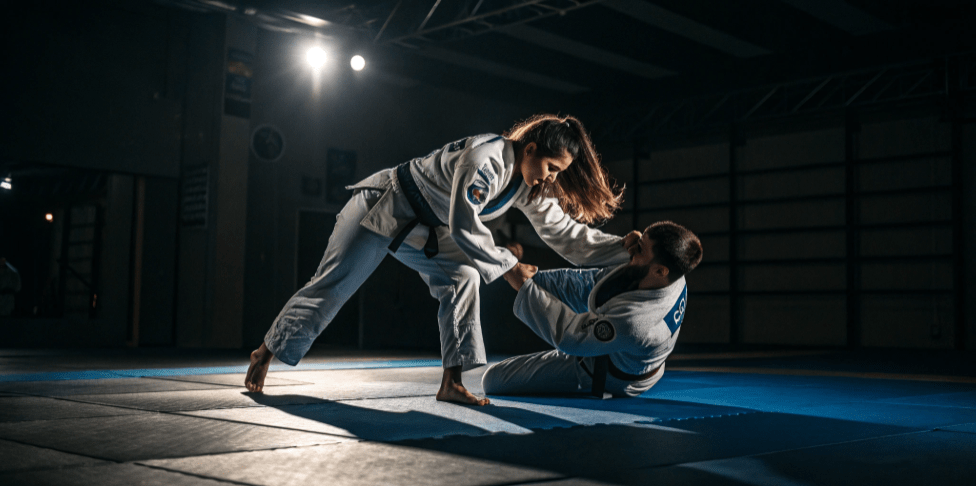
3. Brazilian Jiu-Jitsu (BJJ)
Brazilian Jiu-Jitsu specializes in ground fighting and submission grappling, focusing on controlling and neutralizing opponents through leverage and technique rather than brute strength. It is highly effective for self-defense, especially in situations where a fight goes to the ground.
Why BJJ is essential in self-defense:
- Techniques to control and submit attackers without causing permanent harm.
- Focus on leverage and technique makes it accessible regardless of size or strength.
- Training improves endurance, problem-solving, and composure under pressure.
- Widely integrated into mixed martial arts (MMA), proving its effectiveness in competitive and real-world scenarios.
BJJ complements striking arts like Kenpo and Muay Thai by covering the grappling aspect of combat.
4. Mixed Martial Arts (MMA)
MMA is a hybrid combat sport combining striking, grappling, and wrestling techniques from various martial arts, including Muay Thai, BJJ, wrestling, and boxing. Its comprehensive approach makes it one of the most effective systems for self-defense and competitive fighting.
MMA’s strengths include:
- Well-rounded skill set covering stand-up and ground fighting.
- Realistic training scenarios that prepare practitioners for unpredictable encounters.
- High adaptability due to its integration of multiple martial arts.
- Popularity in combat sports ensures continuous evolution and refinement of techniques.
While MMA training is intense, it provides unmatched versatility for self-defense.
5. Judo
Judo is a Japanese martial art focusing on throws, takedowns, and joint locks to subdue opponents. It emphasizes using an attacker’s force against them, making it effective for self-defense without relying on strikes.
Why Judo remains highly effective:
- Efficient takedowns and control techniques allow practitioners to neutralize threats quickly.
- Training develops balance, coordination, and timing.
- Emphasis on safety and control makes it suitable for all ages.
- Widely practiced worldwide with a strong competitive and self-defense pedigree.
Judo’s grappling techniques complement striking arts, creating a balanced self-defense skill set.
Honorable Mentions
Other martial arts like Krav Maga, Boxing, Taekwondo, and Aikido offer valuable skills but rank slightly lower due to their specialized focus or less comprehensive approach to real-world self-defense scenarios.
Conclusion
Choosing the most effective martial art depends on your personal goals, whether it’s practical self-defense, fitness, or competition. However, based on adaptability, technique diversity, and real-world application, the top five most effective martial arts are:
| Rank | Martial Art | Key Strengths |
|---|---|---|
| 1 | Kenpo Karate | Rapid strikes, joint locks, fluidity |
| 2 | Muay Thai | Powerful striking, clinch work |
| 3 | Brazilian Jiu-Jitsu | Ground control, submissions |
| 4 | Mixed Martial Arts | Comprehensive striking & grappling |
| 5 | Judo | Throws, takedowns, leverage |
For those interested in learning Kenpo Karate and experiencing its blend of hard and soft techniques firsthand, Urban Edge Martial Arts offers expert instruction and a supportive community. To start your martial arts journey and develop effective self-defense skills, visit urbanedgema.com today.
This ranking provides a well-rounded perspective on martial arts effectiveness, highlighting the importance of versatility and practical application in modern self-defense. Whether you prefer striking, grappling, or a combination of both, these martial arts offer proven systems to empower and protect you in real-life situations.
Source: Urban Edge Martial Arts
 Best Martial Arts Classes In North York