
I remember walking into the dojo that first time, the lights low and my heart racing with excitement and nerves. It wasn’t just about learning punches and kicks—it was the start of something bigger, changing my body, sharpening my mind, and giving me real confidence to handle anything. This is my story as a busy city worker who found martial arts power through a basic starter kit, which took me right to Urban Edge Martial Arts in North York.
I’d always felt uneasy walking home late from work on Toronto’s busy streets. One rainy night, after another news report on violence, I said enough’s enough. I wanted real self-defense skills—not movie stunts, but stuff that builds strength, toughness, and quick awareness. That’s when I discovered Urban Edge Martial Arts in North York. They mix traditional Kempo and Pekiti Tirsia Kali with Muay Thai, BJJ, and boxing. Their ongoing programs, including weapon defense, give you skills that work in real life.
First Sparks of Curiosity
It started small for me. I’d seen friends get fit at the gym, but martial arts pulled at something more inside. It’s not about getting huge—it’s about feeling strong and ready, turning that everyday uneasy feeling into real confidence. At Urban Edge, the classes focus on keeping you safe no matter where you are, mixing striking, grappling, and weapons into one smooth flow.
I still remember my first class clear as day: the instructor showed a basic Kali stick block that turned right into a powerful counter. Nothing fancy—just practical moves for real life. Urban Edge’s programs showed me that starting with good gear helps beginners like me skip the scary part and just get better faster.
Unboxing the Core Essentials
When you’re just starting out in martial arts, you begin with the real basics—the simple stuff that makes you feel safe, focused, and set to learn. Good gear isn’t only about protecting your body; it helps turn you from a nervous beginner into someone who can handle class without second-guessing everything.
My first buy was a mouthguard, that little thing that keeps your smile safe. I remember boiling some water right there in my small apartment kitchen and biting down to shape it just right. During those early striking drills, with elbows coming close, it quietly did its job—guarding my teeth and jaw from any surprise hits. In Urban Edge’s sparring, you see why it matters: things happen quick and hard, but with a good fit, you don’t worry and can just concentrate. It taught me right away that staying ahead of trouble beats reacting to it every time.
Next came the supportive gear, like compression shorts and a snug top that stayed in place no matter how intense the clinches got. In grappling rolls, when you’re twisting and fighting for position, baggy clothes just get in the way and can lead to scrapes or worse. The instructors at Urban Edge always said good support isn’t a luxury—it lets you focus fully on your moves instead of fixing your outfit every second, and it really builds that steady confidence.
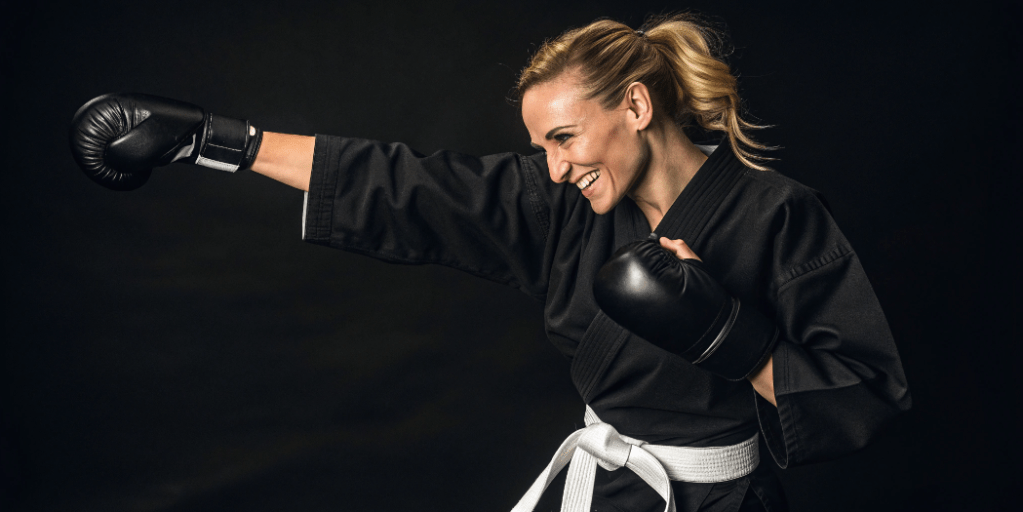
Once I started making progress, it was time for striking gear. Urban Edge’s Kempo Karate classes need solid hand and foot protection to turn all that beginner energy into real skill. Putting on boxing gloves felt like stepping into a fighter’s role—the padding protects your knuckles during bag work so you can keep going without hurting yourself. They stress using wraps under the gloves too, wrapping them tight around your wrists for punches and boxing combos. Shadowboxing with them on was a game-changer; my punches felt sharper and stronger just from the right fit.
Shin guards were up after that, shaped to block kicks properly. The first few times your shins hit, it stings, but you get used to it and build toughness. In Urban Edge’s drills that mimic street fights, every block makes you feel more solid, like you’re turning pain into real strength—the same idea they teach in the dojo.
Ground fighting pulled me in deeper, that mix of chaos on the mat. Urban Edge blends grappling right into the standing stuff, so you need gear that holds up. I started no-gi with a rash guard and shorts for easy movement in guards and escapes. Later I tried a gi, with its thick material that’s great for gripping and flowing into Kali moves. They switch it up based on real-life situations where clothes aren’t predictable, and that first time I swept someone using just technique—not force—was amazing. The gear made it possible without getting in the way.
For footwork, going barefoot on the mats builds real strength from the bottom up. Minimal shoes help with quick turns in wrestling drills, giving you that grip for smooth moves. Urban Edge pushes this hard for Kali’s tricky steps, where good footing leads to fast, precise action.
A good duffel bag was my constant sidekick, with spots to stash gloves, wraps, and guards so everything’s easy to grab. The vents keep the stink down after sweaty classes, perfect for the bus ride to North York. I got into cleaning habits quick—spraying stuff down and using powder in my shoes—to stay fresh and avoid any gym germs.
Even in a small apartment, I set up a home spot: heavy bag in the corner, yoga mat out for drills, and rattan sticks to practice Kali angles 1 to 5 alone, just like in Urban Edge’s weapon classes. Checking myself in the mirror fixed my form bit by bit, and you could see the progress in all the sweat marks building up.
Habits That Built the Warrior
Gear was important, but it was the daily routines that really got things going, sticking to Urban Edge’s simple rule: be consistent rather than going all out every time. Days started blending together with shadowboxing, where I’d throw punches into the air and get them sharper each time, plus calisthenics like pushups that got deeper and squats that felt more powerful. I’d hit the bag to work on my teeps, making them strong and snappy, and on rest days, I’d stretch my hips to stay loose for guard work and avoid getting hurt. I kept a journal to track stuff like how many escapes I nailed or clean strikes I landed—it made all the effort feel real.
Eating right was a big part too. I’d have protein-packed meals to recover, like eggs in the morning or shakes after rolling, and I’d drink water all day to keep up with the training. I’d also picture scenarios from Urban Edge’s classes in my head, practicing how to spot and handle threats until it felt natural.
Sparring scared me at first—I was shaking when we started—but the controlled way they do it at Urban Edge made it easier, building up slowly. When my muscles got sore, foam rolling helped a lot. I borrowed gear to start, focusing on gloves and guards first, and learned to pay attention to my body from little injuries. The instructors always caught my mistakes early and fixed them.
Then Pekiti Tirsia Kali hooked me—swinging those sticks felt awesome, blocking imaginary knives and flowing right into unarmed moves. Practicing alone got my timing down, and how Urban Edge mixes it in made the streets feel way less intimidating.
Urban Edge Martial Arts in North York became my main spot. They focus on practical self-defense, mixing Kempo power, Kali precision, Muay Thai clinches, grappling, and boxing speed. They keep updating the training with weapons and new stuff so it stays useful. Small classes mean the teachers watch you closely and give tips that speed up your progress, and everyone bonds over the tough parts—laughing through the pain and celebrating wins quietly.
Contact Urban Edge Martial Arts in North York today: step into the studio, book a trial, and start your own journey.
Now the streets feel normal, and threats don’t worry me as much.
Source: Urban Edge Martial Arts
 Best Martial Arts Classes In North York