
Introduction
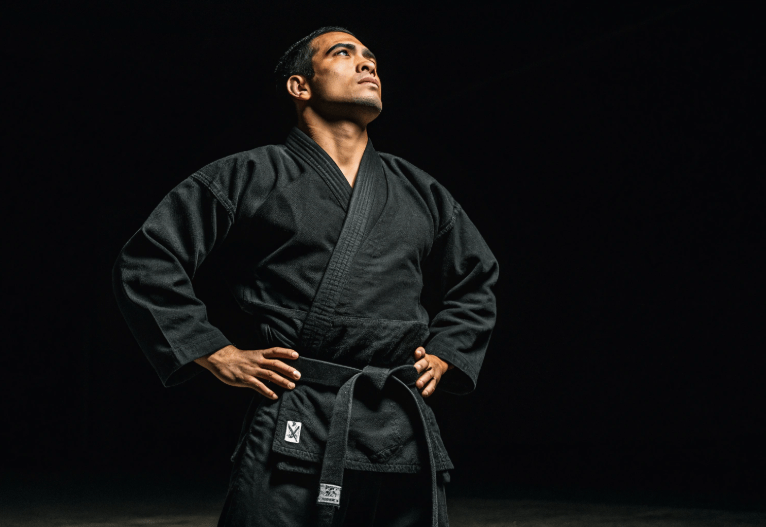
Sensei means much more than “karate teacher,” and black belts are much more than people who wear a dark belt at the end of the line. At Urban Edge Martial Arts in North York, we see both ideas as a journey, not a costume.
What “Sensei” Really Means
In Japanese, the word sensei is built from characters that together mean “one who has gone before” or “person born before another.” It is often translated in English as “teacher” or “instructor,” especially in the context of martial arts like karate, judo, and other traditional disciplines.
This is important: sensei does not literally mean “master” in the mystical movie sense. It is an honorific title used to show respect to someone who has developed skill and experience and now guides others on that same path. In Japan, it is used for schoolteachers, doctors, lawyers, artists, and martial arts instructors alike, not just fighters in a dojo.
Sensei as “One Who Has Gone Before”
When you bow and say “Sensei,” you are not saying, “You are perfect.” You are saying, “You have walked this road longer than I have; please guide me.” The word points to responsibility and experience rather than to rank alone.
This idea changes how we look at leadership on the mats:
- A sensei is someone who has walked ahead on the path and is willing to look back and help others along.
- The title marks a relationship: they teach; you learn; you both keep growing.
- It is about ongoing learning and mentorship, not about having “finished” training.
That means in a healthy dojo, even senior students understand that they are still students. The journey does not stop when you are called sensei or when you earn a black belt.
Why “Sensei” Is About Responsibility, Not Ego
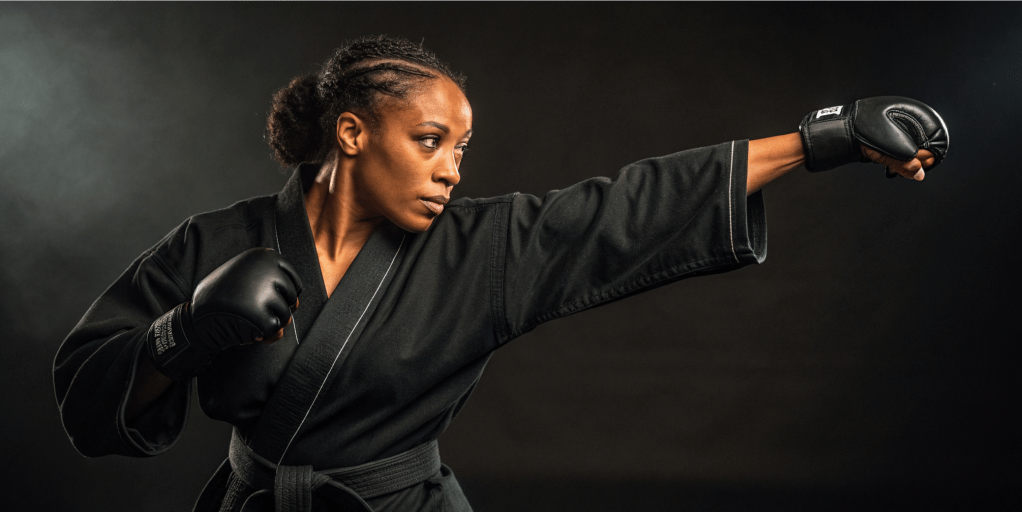
In many traditional settings in Japan, people do not introduce themselves as “Sensei So-and-so.” Instead, they say their name, and others add sensei as a sign of respect. To introduce yourself as “Sensei” would sound boastful or self-promoting.
This teaches a powerful lesson:
- The title is given, not taken.
- It is grounded in service: teaching, guiding, protecting, and setting standards for the dojo community.
- It is earned through behavior, not just through rank or time served.
At Urban Edge Martial Arts, when we talk about sensei, we are really talking about leadership as service: showing up on time, training hard, respecting partners, helping beginners, and living martial arts values outside the dojo as well.
So Is Every Black Belt a Sensei?
Not necessarily. Many dojos reserve the title “sensei” for black belts who are actually responsible for teaching and leading classes, not simply for anyone who has achieved that rank. Some schools even tie the title to specific degrees of black belt, while others use it for any black belt who has formal teaching responsibilities.
Across different schools and systems, you’ll see patterns like:
- All teaching black belts are called sensei, but not every black belt is expected to teach.
- Some systems reserve sensei for certain black belt levels and use other titles for higher degrees.
- Many instructors emphasize that being a sensei is a separate development from simply having a belt of a certain colour.
What matters isn’t the exact rule set; it’s the principle: being a black belt is about personal proficiency and character, while being a sensei is about taking on the responsibility of teaching and mentorship.
The Meaning of Black Belt (And Why They Differ)
Across martial arts, the black belt is often treated as a symbol of having learned the foundational curriculum well enough to begin truly understanding the art. It usually indicates a high level of technical knowledge, discipline, and perseverance.
But even within one dojo, black belts are not all the same. They differ in:
- Years of training and experience.
- Natural attributes (speed, strength, flexibility, coordination).
- Areas of focus (forms, sparring, weapons, self-defence, teaching, competition).
- Personality and teaching style.
Different organizations and arts also have different standards for what a black belt means. Some systems take a decade or more to reach black belt; others promote more quickly. But even if the external requirements were identical, individuals would still bring unique histories, bodies, and goals to that same rank.
Rank vs. Title vs. Role
It helps to untangle three related but distinct things:
- Rank: Your belt level (for example, 1st-degree black belt).
- Title: What people call you (for example, “Sensei”).
- Role: What you actually do in the dojo (student, assistant instructor, head instructor, etc.).
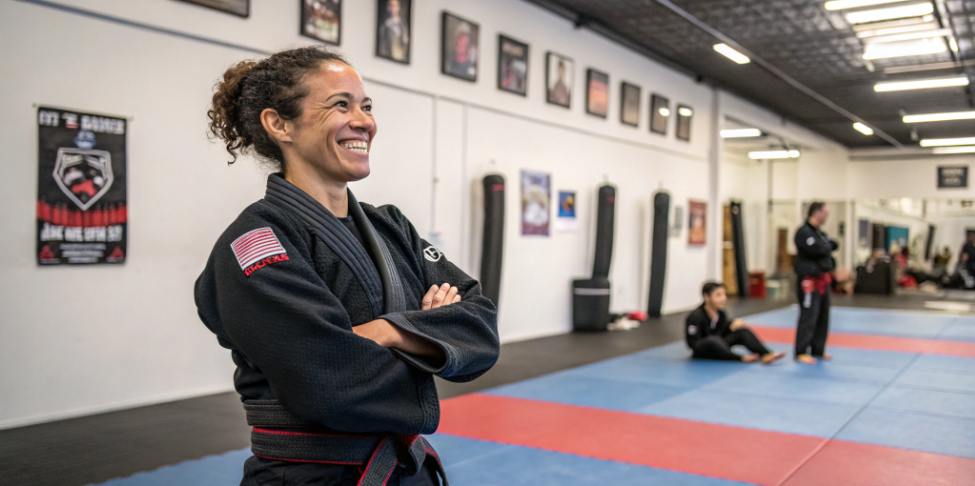
A black belt is a rank. Sensei is a title. Teaching, guiding warm-ups, leading drills, and mentoring others—that’s a role. Some schools reserve the sensei title for black belts officially recognized as instructors. Others may use it more broadly, but the clearest pattern in traditional practice is that not all black belts are automatically sensei.
At Urban Edge Martial Arts, this distinction matters: we want our students and families to understand that a higher belt shows training and commitment, but the title you use for someone reflects the responsibility they have chosen to carry for others.
Why Not All Black Belts Are Equal (Even in the Same School)
Even when two students started on the same day, earned the same coloured belts on the same dates, and passed the same tests, their black belts will not be identical. Here’s why:
- Different Bodies, Different Strengths
Some black belts are explosive and fast; others are calm and precise. One might excel at sparring, another at forms, another at close-range self-defence. The belt does not erase individuality; it sits on top of it. - Different Learning Journeys
Students face different challenges—injuries, school or work pressure, family responsibilities, confidence issues, and personal setbacks. The black belt represents the obstacles each person has overcome, which will never be identical. - Different Depths of Understanding
Two students might be able to demonstrate the same kata, but one may feel the angles, timing, and application options more deeply. Over time, some students study strategy, teaching methodology, and the underlying principles of movement, while others focus mainly on repeating drills. - Different Levels of Responsibility
A new black belt might still be figuring out how to manage their own training, while a senior black belt may already be helping guide classes, mentoring junior students, and taking on leadership roles. Both wear black belts; their responsibilities—and therefore their impact—are very different. - Different Long-Term Goals
Some black belts want to compete. Others are focused on fitness, confidence, self-defence, or personal growth. These goals shape how they train, what they emphasize, and how they express the art.
When you look down the black belt line at Urban Edge Martial Arts, you are not seeing a row of identical products; you are seeing a row of unique journeys that happen to share a colour.
How This Plays Out at Urban Edge Martial Arts
Urban Edge Martial Arts in North York offers a program that blends Kempo Karate and Pekiti Tirsia Kali. That fusion shapes what it means to be both a black belt and a sensei in our dojo.
- Kempo Karate brings structured striking, combinations, stances, kata, and a traditional rank progression, as well as emphasis on discipline, etiquette, and character.
- Pekiti Tirsia Kali adds a Filipino martial arts foundation in edged weapons, impact tools, and close-range movement, with a focus on timing, angles, footwork, and realistic self-defence scenarios.
Blending these systems means that:
- Our black belts must be comfortable moving between empty-hand striking and weapon-based concepts.
- Footwork, distance, and timing become as important as power and flexibility.
- Students are exposed not just to solo practice and sparring, but also to partner drills that require timing, control, and awareness.
Within that blend, black belts naturally diverge:
- One black belt may shine in Kempo-style combinations and kata.
- Another may bring strong sensitivity and timing to Kali drills and weapon flow.
- Another might excel at helping beginners, making complex movements feel accessible.
This is exactly what we want. Our goal is not to manufacture identical black belts, but to cultivate well-rounded martial artists who express the shared curriculum through their own bodies and personalities.
What We Mean by “Sensei” at Urban Edge
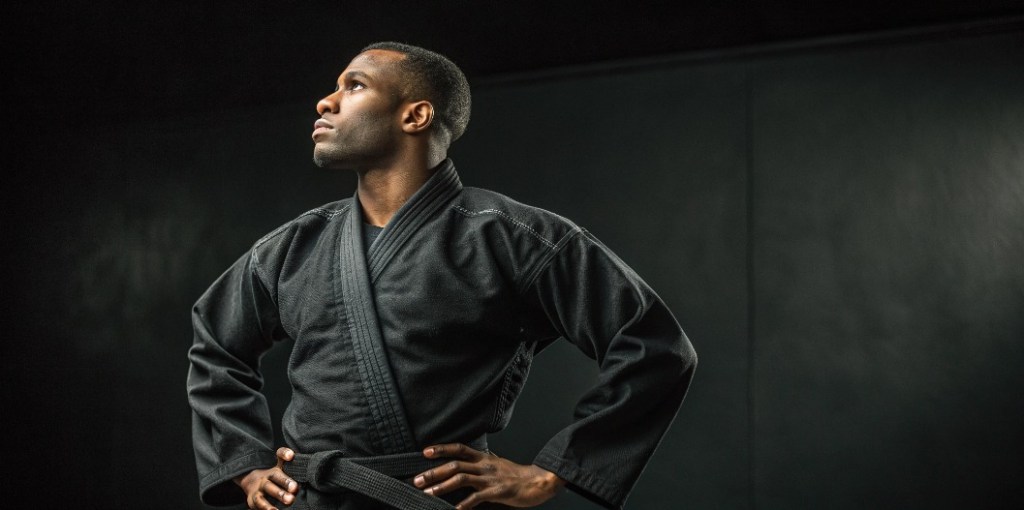
In the Urban Edge context, sensei is not just “a higher belt.” It is a role defined by:
- Technical competence in our fusion of Kempo Karate and Pekiti Tirsia Kali.
- Teaching ability: communicating clearly, demonstrating safely, and adapting to different learning styles and ages.
- Responsibility for others: managing energy in the room, watching for safety, modelling respect, and upholding dojo standards.
- Ongoing student mindset: continuing to train, ask questions, and grow, rather than treating the title as a finish line.
We see sensei as a living example of “one who has gone before”:
- They have walked ahead in both arts, so they can guide you through your first stance and your first stick drill.
- They know what it feels like to struggle with coordination, timing, or fear, because they have been there—and kept going.
- They carry the responsibility of representing both the Japanese and Filipino lineages that inform our training on and off the mats.
Not every black belt wants or is ready for that level of responsibility, and that is okay. The path to sensei is available to those who feel called to teach and serve their dojo community in that way.
How Students Should Think About Black Belts and Sensei
If you or your child is training with us, it helps to reframe how you see belts and titles:
- Do not assume that all black belts are “the same.” Look for the strengths, personalities, and specialties they bring.
- Understand that sensei is a title connected to teaching and responsibility, not just to skill.
- Encourage your child to see black belts as people who started where they are now and chose to keep going.
A helpful way to explain it to kids is:
- A coloured belt shows how far you have walked.
- A black belt shows you have learned the whole map of the basics.
- A sensei is someone who not only walked far, but also learned how to guide others along the way.
This mindset builds respect without blind hero worship. It teaches students to value effort, character, and service, not just the colour around someone’s waist.
Why This Matters for Your Training in 2026
Understanding the difference between “black belt” and “sensei” changes how you train, especially in 2026 when many people are returning to in-person training, rebuilding confidence, and looking for meaningful communities:
- You stop seeing the black belt as the end and instead see it as a beginning.
- You recognize that even a new white belt can help someone newer, starting to live the spirit of “one who has gone before” right away.
- You realize that leadership is built day-by-day through small acts: lining up properly, encouraging a partner, controlling your power, and listening carefully.
In a fusion art like ours, where Kempo Karate and Pekiti Tirsia Kali meet, this attitude is essential. The arts themselves are built on lineages—teachers teaching students who become teachers in turn. Sensei is not a superhero; it is a role in that living chain.
For Parents and New Students in North York
If you’re a parent in North York looking at martial arts for your child, or an adult thinking about starting, here are some practical takeaways:
- When you visit, notice how black belts behave. Do they model the respect and focus you want your child to learn?
- Ask how the school defines “sensei” and what is expected of black belts. Clear expectations usually mean a healthier culture.
- Understand that progress is personal. Your child’s yellow belt, green belt, or eventual black belt will represent their own journey, not someone else’s.
At Urban Edge Martial Arts, our fusion of Kempo Karate and Pekiti Tirsia Kali gives students a broad toolbox, but we never forget that the real goal is growth: stronger bodies, sharper minds, and better character. Belts and titles are markers along that path, not the destination.
Sensei does not mean “perfect master.” It means “one who has gone before,” someone who has walked ahead on the path of training and now carries the responsibility of guiding others. Black belts do not all represent the same experience, even in the same school. They are individuals with different strengths, focuses, and levels of responsibility, bound together by a shared commitment to the art.
At Urban Edge Martial Arts in North York in 2026, where Kempo Karate meets Pekiti Tirsia Kali, we honour both ideas. We treat sensei as a title of service and care, and we treat black belts as milestones in a lifelong journey. If you join us on the mats, you will quickly see that the colour of the belt is only the beginning of the story.
Source: Urban Edge Martial Arts
 Best Martial Arts Classes In North York