
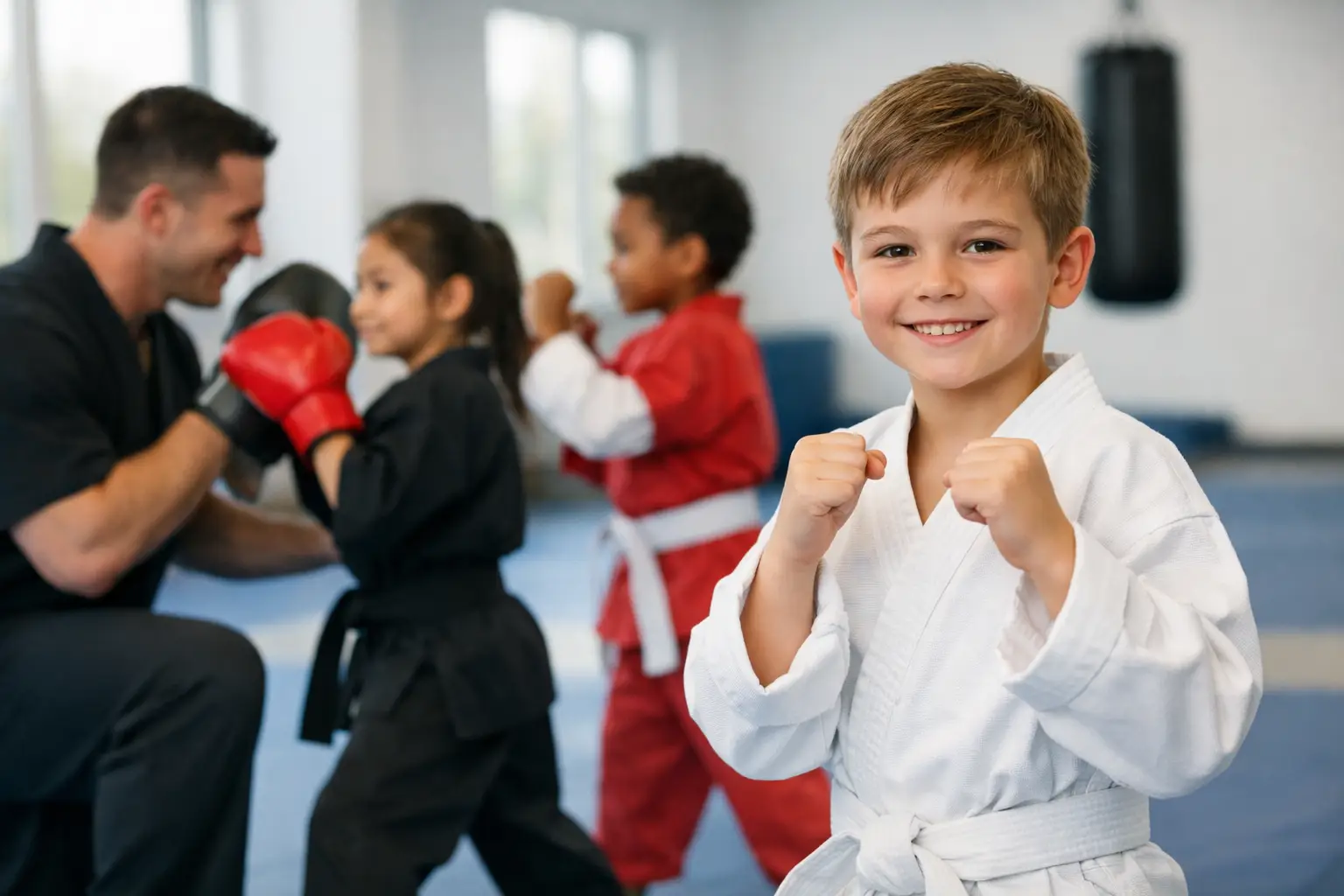
The first question most parents ask is not whether martial arts looks fun. It is whether their child will actually get something useful out of it. That is where kids self defense classes stand apart. The right program does more than keep children active after school. It teaches awareness, discipline, boundaries, and the ability to stay calm under pressure.
For many families, that matters more than belts, trophies, or flashy moves. Parents want a class that helps their child become harder to intimidate, more focused at school, and more confident in unfamiliar situations. They also want training that is age-appropriate, structured, and taught by instructors who understand the difference between building confidence and encouraging aggression.
What kids self defense classes should actually teach
A strong self-defense program for children starts with the right definition of self-defense. It is not about teaching kids to fight for the sake of fighting. It is about teaching them how to recognize danger early, use their voice, manage fear, and respond with simple, practical actions when needed.
That means the best classes usually focus on several layers of protection. The first layer is awareness. Children learn how to pay attention to their surroundings, spot unsafe behavior, and avoid bad situations before they start. The second layer is verbal confidence. A child who can set boundaries clearly and speak with authority is often better equipped than one who only knows physical technique. The third layer is physical response. If avoidance fails, kids need age-appropriate tools that are simple enough to remember under stress.
This is one reason practical training matters. Some martial arts programs are built mostly around forms, tournaments, or point scoring. Those can still offer value, especially for coordination and discipline, but they are not always the same as self-protection training. If your goal is real-world readiness, the class should reflect that.
Why parents choose kids self defense classes
Most parents are not enrolling their child because they expect danger every day. They are enrolling because they want their child to be better prepared. That preparation shows up in ways that go beyond physical safety.
Confidence is usually the first visible change. Kids who train consistently often stand taller, speak more clearly, and carry themselves with more composure. Predatory behavior often targets children who appear unsure of themselves. A child who projects awareness and confidence may be less likely to be singled out in the first place.
Focus is another major benefit. Good instruction requires listening, repetition, self-control, and attention to detail. Those habits can carry into school, sports, and home life. Parents often notice that a child who struggles with restlessness starts responding better to structure when the training environment is clear, consistent, and challenging.
There is also the fitness piece. Kids need movement, but not every child connects with team sports. Self-defense classes give them a way to build strength, balance, coordination, and endurance in a setting where personal progress matters as much as winning.
Then there is resilience. Children do not need to be pushed into harsh training, but they do benefit from learning how to handle discomfort, correct mistakes, and keep going. That kind of mental toughness can help in far more situations than physical confrontation.
What to look for in a kids self defense program
Not all programs are built the same, and that is where parents should slow down and look closely. A good class feels organized from the moment it starts. There is a clear lesson plan, strong instructor control, and a positive standard for behavior. Kids should know when to have fun and when to focus.
The teaching style matters just as much as the curriculum. Young students need instructors who can break skills down into manageable steps and explain why each skill matters. The atmosphere should be supportive, but not soft. Children grow when standards are clear and effort is expected.
It also helps to ask how realistic the training is. Realistic does not mean extreme. It means children are learning useful concepts that fit their age and ability. They should practice boundary setting, escapes from common grabs, movement, balance, and how to respond under pressure without being overwhelmed.
A practical school will also teach judgment. Sometimes the best self-defense decision is to leave, get help, and create distance. Kids need to understand that self-defense is about safety, not proving toughness.
Kids self defense classes and the confidence factor
Confidence is one of the most talked-about benefits of martial arts, but not all confidence is the same. Empty praise creates fragile confidence. Skill-based confidence lasts.
When children practice a movement repeatedly, improve their timing, and handle challenges they once found difficult, they start trusting themselves. That trust changes how they move through the world. They become less hesitant, less reactive, and more capable of handling pressure.
This is especially important for children who are shy, anxious, or easily discouraged. A good self-defense class gives them small wins they can build on. Over time, those wins become a stronger sense of identity. They are no longer the child who freezes. They are the child who knows how to breathe, think, and act.
That said, confidence should never turn into recklessness. The right program keeps kids grounded. They learn respect for training partners, control over their emotions, and an understanding that physical skills come with responsibility.
How realistic training helps children stay safer
There is a difference between memorizing techniques and learning how to function under pressure. Children do not need adult-level threat scenarios, but they do need training that prepares them to respond when they feel startled, crowded, or off balance.
That is why scenario-based practice can be so effective when taught properly. Instead of only rehearsing moves in perfect conditions, kids work on simple responses from realistic positions. They learn how to break attention from a threat, use their voice, move to safety, and follow through with basic physical actions if necessary.
Programs with a practical mindset tend to build stronger habits because they teach context, not just choreography. A child begins to understand when to stay back, when to call for help, and when immediate action matters. Those lessons are useful in everyday life, from school interactions to public spaces.
At Urban Edge Martial Arts, that practical approach is part of the training philosophy. The goal is not performance. The goal is to help students develop real confidence, real discipline, and skills that make sense outside the classroom.
What age is right to start?
It depends on the child, but many kids can begin learning basic self-defense concepts at a young age if the class is designed well. Younger children usually benefit most from simple lessons in awareness, listening, balance, posture, and verbal boundaries. They do not need a complicated technical curriculum. They need repetition and clarity.
As children get older, they can handle more detail, more pressure, and more responsibility. Preteens and teens often benefit from more realistic partner drills, deeper conversations about personal safety, and stronger conditioning. The key is that the training should match their stage of development.
Parents should avoid thinking only in terms of age, though. Maturity, attention span, and personality all matter. A great instructor knows how to challenge each child without pushing too far too soon.
How to tell if a class is the right fit
Watch how the instructors manage the room. Are the students engaged? Are corrections clear? Does the class have structure, energy, and purpose? A good program should feel disciplined without feeling hostile.
Pay attention to what the school emphasizes. If everything is about medals, flashy kicks, or looking impressive, that may not match a family looking for practical self-protection. If the message is centered on awareness, confidence, control, and usable skills, that is a stronger sign.
It is also worth noticing how your child responds after class. Do they seem proud, focused, and eager to come back? That matters. The best training programs challenge children, but they also make them feel supported enough to keep growing.
Parents should expect progress to take time. Kids self defense classes are not a quick fix for fear, bullying, or lack of confidence. Real improvement comes from steady practice. The upside is that the lessons tend to reach far beyond self-defense. Children develop stronger habits, better self-control, and a more confident presence that shows up in everyday life.
If you are choosing a program for your child, look for one that treats self-defense as a life skill, not a gimmick. When the training is practical, structured, and taught with purpose, your child gains more than techniques. They gain the kind of confidence that stays with them when it counts.